The Future of Energy is Elemental
HydraVest provides a concise, high-level summary of hydrogen as an investment theme, highlighting the key value proposition and what visitors will find on the site to navigate this emerging asset class.
Risk & Return Highlights
A balanced view of the hydrogen investment landscape.
Potential Upside
Exposure to the decarbonization of hard-to-electrify sectors like heavy industry and long-haul shipping, offering long-duration storage solutions.
Major Risks
High current production costs, technological uncertainty, policy dependence, and significant infrastructure requirements remain primary hurdles.
Market Dynamics
Competition from direct electrification and the evolving landscape of green, blue, and grey hydrogen production methods.
Allocation Stance
Consider it a speculative thematic allocation. Diversify through ETFs or larger energy players rather than concentrating in early-stage pure plays.
Market Snapshot & Metrics
Quantitative context for the hydrogen economy.
Explore the Site
Your navigation guide to in-depth hydrogen intelligence.
Hydrogen 101
The fundamentals of production, from electrolysis to CCS, and the color spectrum of hydrogen types.
Market Thematics
Deep dives into electrolyzers, fuel cells, and the infrastructure needed for global transport.
Investment Strategy
Frameworks for speculative allocations, diversification techniques, and risk management.
Revenue Evidence
Analysis of firms with proven revenue or offtake agreements and real-world project execution.
Featured Insights & Case Studies
Teasers for recent analyses highlighting proven revenue examples.

Offtake Agreement Analysis
A deep dive into the 10-year contract securing revenue for the Neom project.

Electrolyzer Efficiency
Evaluating the cost-reduction potential of next-gen PEM technologies.
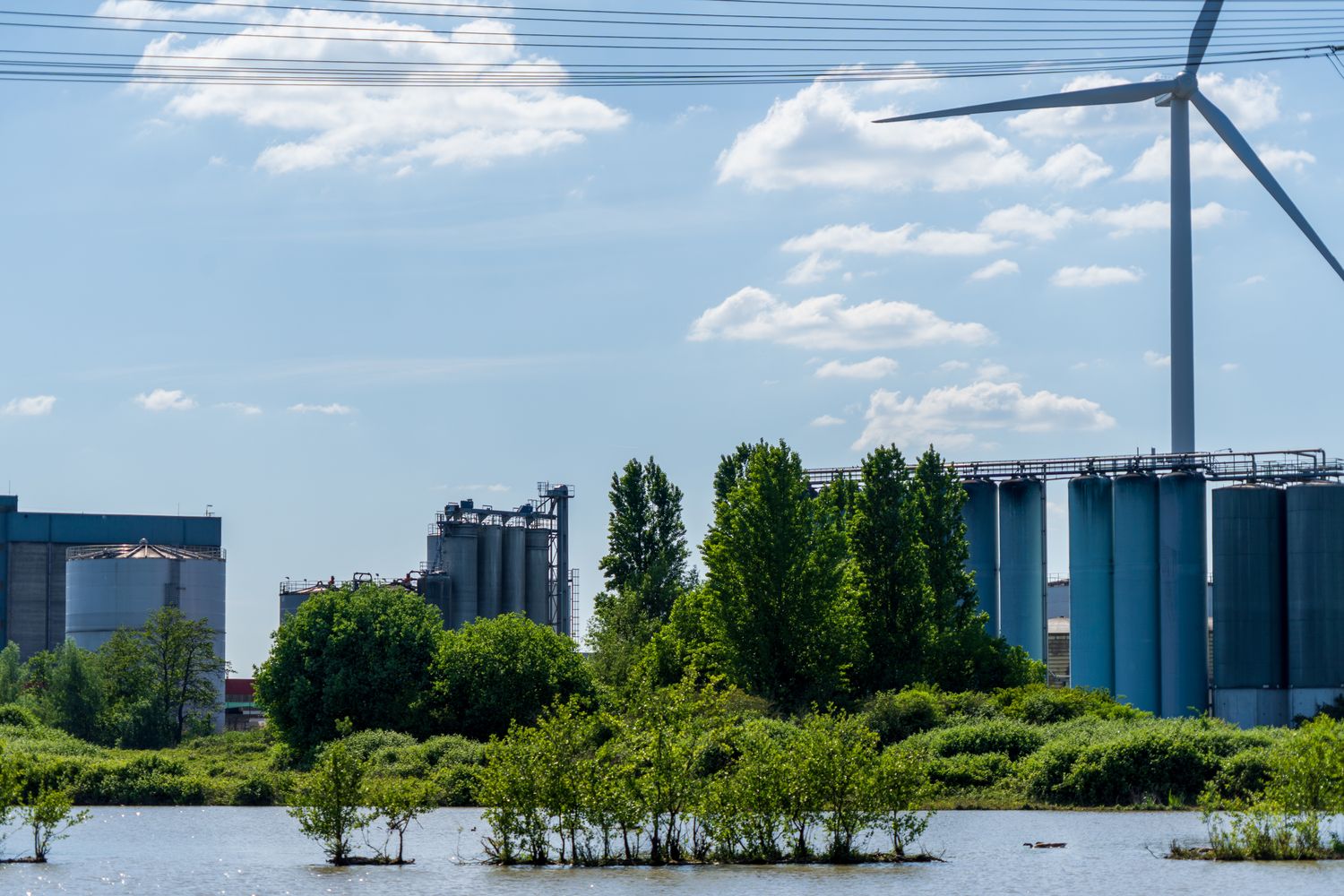
Policy Drivers in EU
How the H2Bank is reshaping the risk profile of European developers.

Pipeline Retrofitting
The economic case for repurposing natural gas grids for H2 transport.
Quick Questions & Resources
Supporting informed decision-making through clear answers.
What is the difference between Green, Blue, and Grey Hydrogen?
Green hydrogen is produced via electrolysis powered by renewables. Blue hydrogen uses natural gas paired with carbon capture (CCS). Grey hydrogen is currently the most common but is fossil-based without carbon mitigation.
Why is hydrogen considered a "speculative" allocation?
While the potential is massive, the industry faces high production costs, technological execution risks, and a heavy reliance on evolving government subsidies and policies.
How should I diversify my hydrogen exposure?
We suggest favoring firms with proven offtake agreements or looking at diversified ETFs and large energy players with hydrogen divisions rather than small-cap pure plays.
Where can I find real-time policy tracking?
Our "Tools & Vehicles" page includes a live tracker for global hydrogen mandates, subsidies (like the Inflation Reduction Act), and infrastructure grants.